
What we recycle

Plastics

Plastics are composed of polymers i.e., compounds made of many small molecules.

Ferrous metals

Ferrous metals, primarily composed of iron, include materials like steel and cast iron, which are commonly found in construction, manufacturing, and transportation.

Non-Ferrous metals

Non-ferrous metals, such as aluminum, copper, lead, zinc, and titanium, do not contain iron and are valued for their resistance to corrosion and high conductivity.

Paper

Recycled paper is a versatile material that can replace or supplement virgin pulp to create new products like packaging, newspapers, and insulation.

Textiles

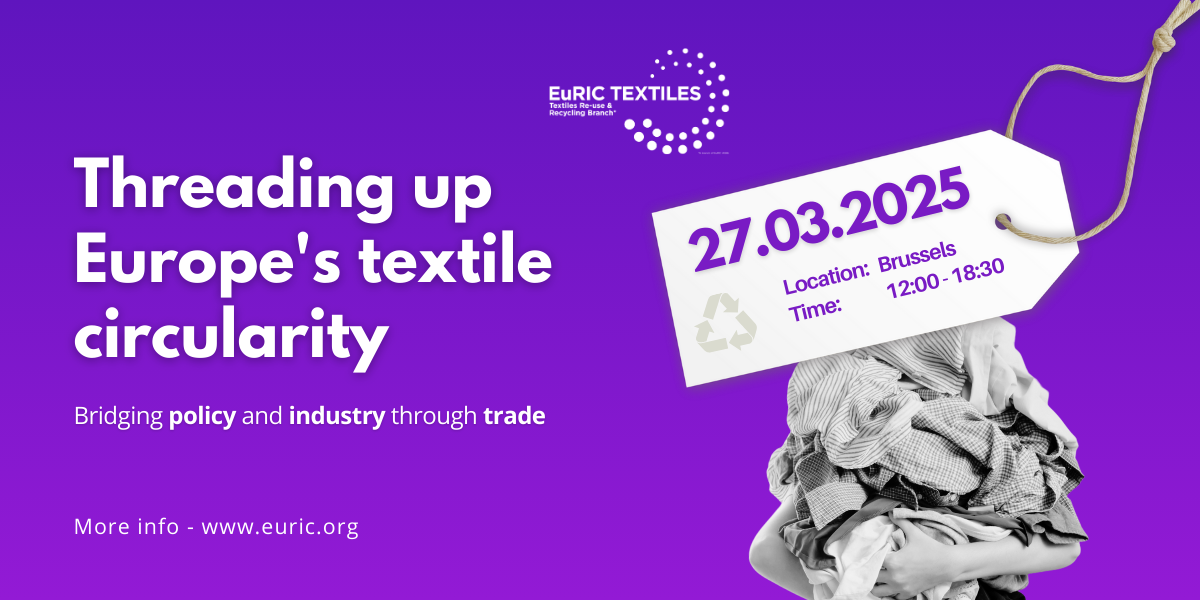
Textiles, including both synthetic fibers like polyester and natural fibers like cotton, are integral to daily life, with global production nearly tripling since 1975.

Tyres

Tyres contain multiple valuable materials such as rubber (75%), steel (15%) and textile fibres (10%).

Construction & Demolition

Construction and demolition (C&D) waste includes materials like concrete, bricks, wood, metals, glass, plastics, and hazardous substances such as asbestos.

End-of-life Vehicles

End-of-life Vehicles (ELVs) contain valuable materials like metals (steel, aluminum), plastics, rubber, and glass, as well as batteries.

E-waste

E-waste, otherwise referred to as waste electronical and electronic equipment (WEEE), is mainly composed of non-ferrous metals (nickel, copper, lead, etc.

Ships

End-of-life ships are decommissioned vessels that contain valuable materials like steel, metals, and electronics, along with hazardous substances such as asbestos, oils, and toxic chemicals.

Who we are

IFAT Munich 2026

When & where

4 May 2026 - 7 May 2026
When & where

4 May 2026 - 7 May 2026

It doesn’t matter whether you are a global player or a medium-sized company, a large city or a small municipality. IFAT Munich places a clear focus on recycling and disposal for private-sector and municipal waste management companies—both in the exhibition and in the program. The aim is to identify solutions to close raw material cycles and further advance the circular economy.

Which strategy is effective? Which process is suitable for which need? Which vehicles and machines are particularly energy-efficient? At IFAT Munich, you’ll get answers and tailored solutions for every process across the various material flows—from smart collection using low-emission vehicles to new sorting and processing methods; from energy-efficient material handling equipment to AI-based software solutions, all the way to the new products and recyclable material, as well as the recovery of waste for energy generation through thermal processes or biogas production.

Special discount code available exclusively for EuRIC Members! 

Register to the event

Register