What we recycle

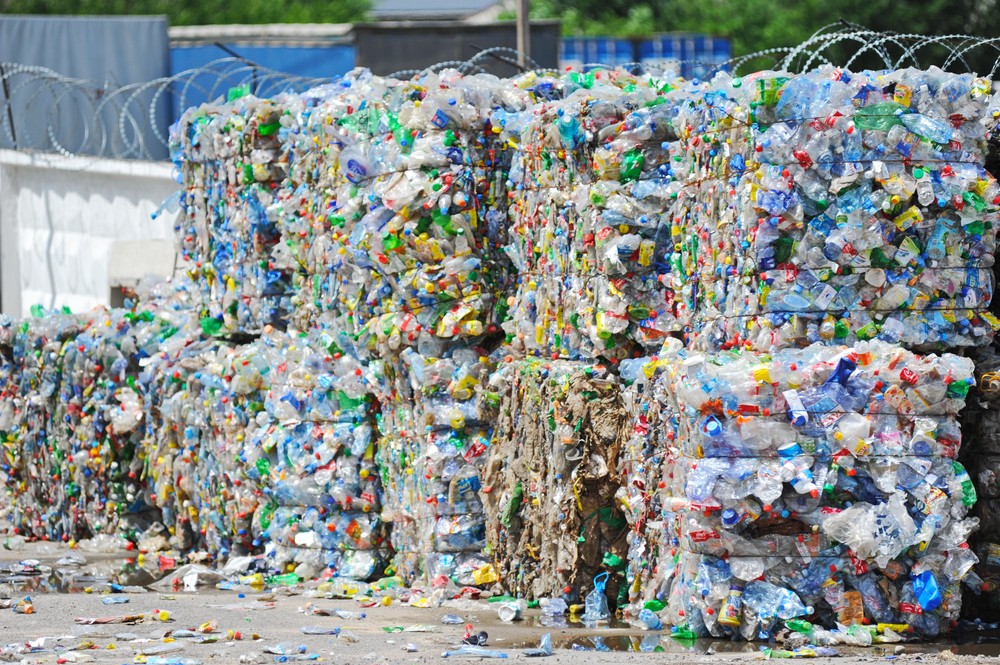
Plastics

Plastics are composed of polymers i.e., compounds made of many small molecules.

Ferrous metals

Ferrous metals, primarily composed of iron, include materials like steel and cast iron, which are commonly found in construction, manufacturing, and transportation.

Non-Ferrous metals

Non-ferrous metals, such as aluminum, copper, lead, zinc, and titanium, do not contain iron and are valued for their resistance to corrosion and high conductivity.

Paper

Recycled paper is a versatile material that can replace or supplement virgin pulp to create new products like packaging, newspapers, and insulation.

Textiles

Textiles, including both synthetic fibers like polyester and natural fibers like cotton, are integral to daily life, with global production nearly tripling since 1975.

Tyres

Tyres contain multiple valuable materials such as rubber (75%), steel (15%) and textile fibres (10%).

Construction & Demolition

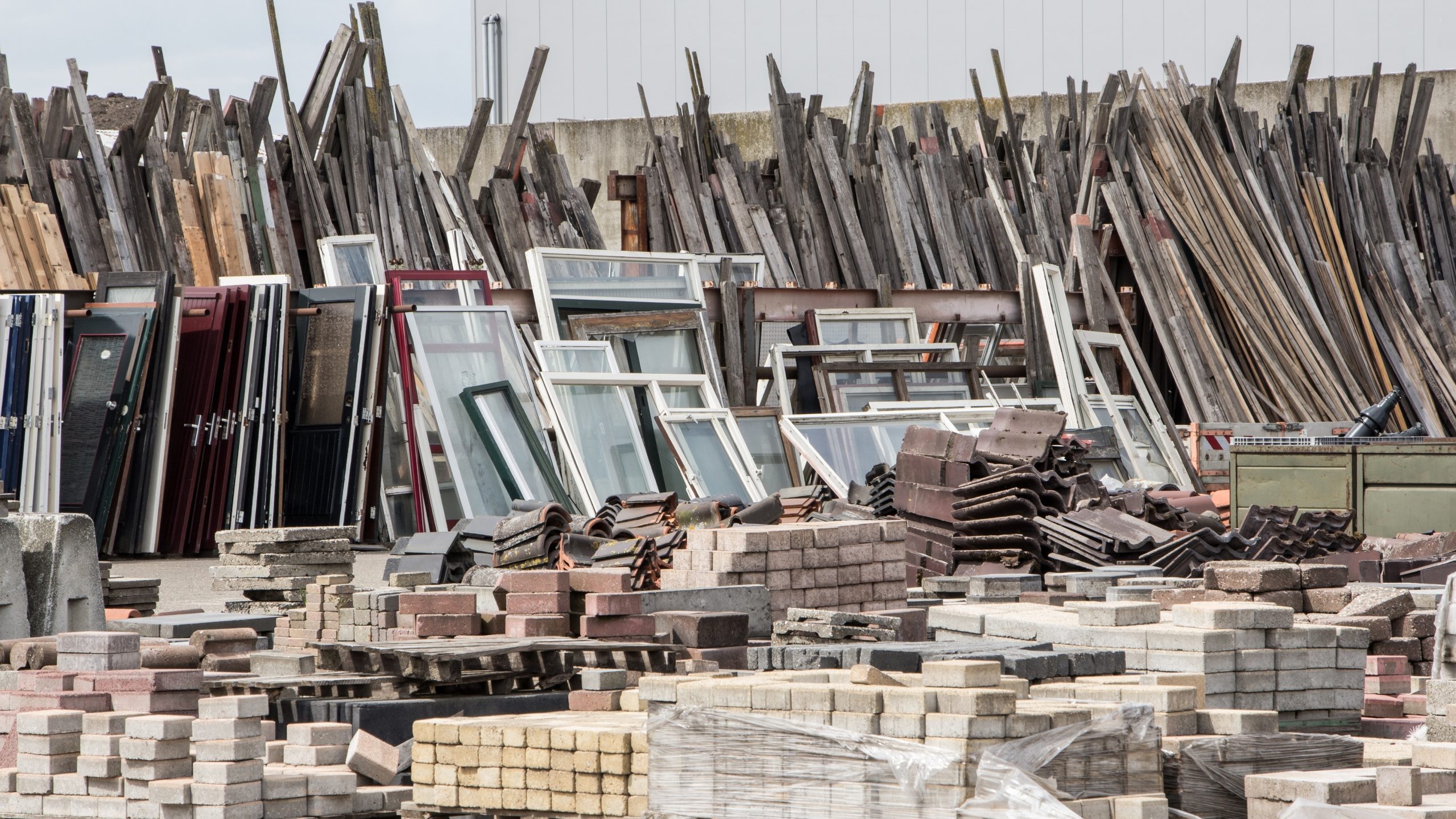
Construction and demolition (C&D) waste includes materials like concrete, bricks, wood, metals, glass, plastics, and hazardous substances such as asbestos.

End-of-life Vehicles

End-of-life Vehicles (ELVs) contain valuable materials like metals (steel, aluminum), plastics, rubber, and glass, as well as batteries.

E-waste

E-waste, otherwise referred to as waste electronical and electronic equipment (WEEE), is mainly composed of non-ferrous metals (nickel, copper, lead, etc.

Ships

End-of-life ships are decommissioned vessels that contain valuable materials like steel, metals, and electronics, along with hazardous substances such as asbestos, oils, and toxic chemicals.

Who we are

25 September 2025

Export tariffs threaten EU circularity: EU aluminium recyclers oppose restrictions, urge value chain cooperation
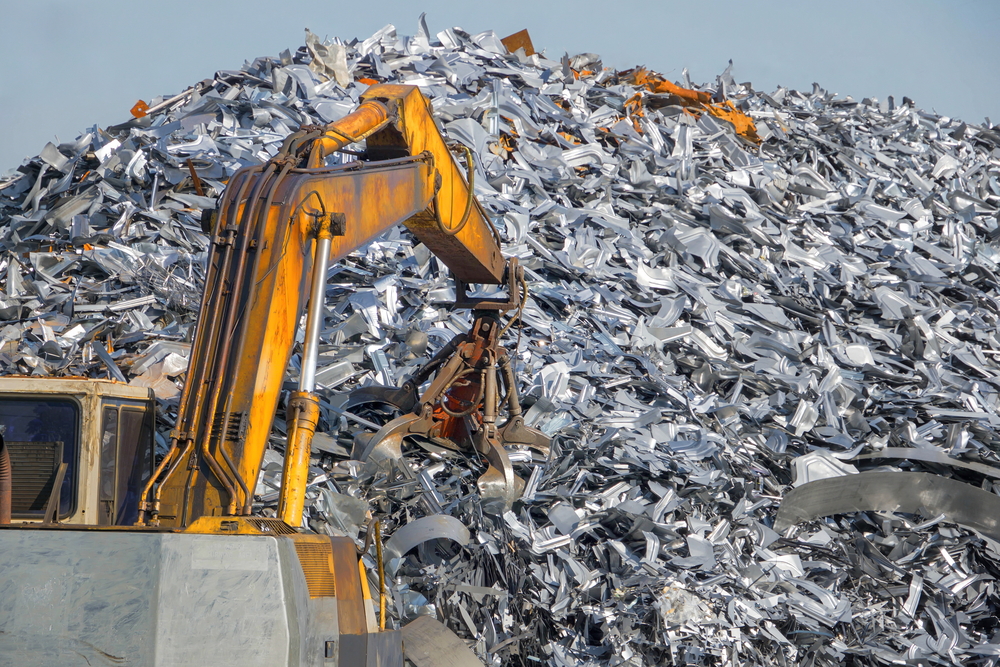
EuRIC, the voice of European recyclers, strongly opposes the potential introduction of export tariffs on recycled aluminium, which is frequently mischaracterised as “scrap.” Contrary to concerns raised by aluminium producers about excessive exports, official data shows a year-on-year decline in export volumes, with shipments to the United States accounting for just 0.4% of total EU recycled aluminium exports.

Any calls for restrictive trade measures risk undermining Europe’s advanced aluminium recycling industry, distorting market dynamics, and weakening the EU’s circular economy and climate objectives.

EuRIC calls for swift cooperation to strengthen the EU’s aluminium sector during this period of uncertainty, and urges EU policymakers to adopt collaborative, evidence-based policies that support the entire aluminium value chain — from recyclers to manufacturers — ensuring the resilience, competitiveness, and sustainability of the European aluminium industry.

In this position paper, EuRIC sets the record straight on recycled aluminium exports and outlines the real challenges facing Europe’s aluminium recycling industry:

Download the publication

Download

Related Publications

Stay informed with our latest insights, anytime, anywhere.