

Publication hub
- All Publications
- Position papers/letters
- Press releases & statements
- Public consultations & recommendations
- Reports & studies
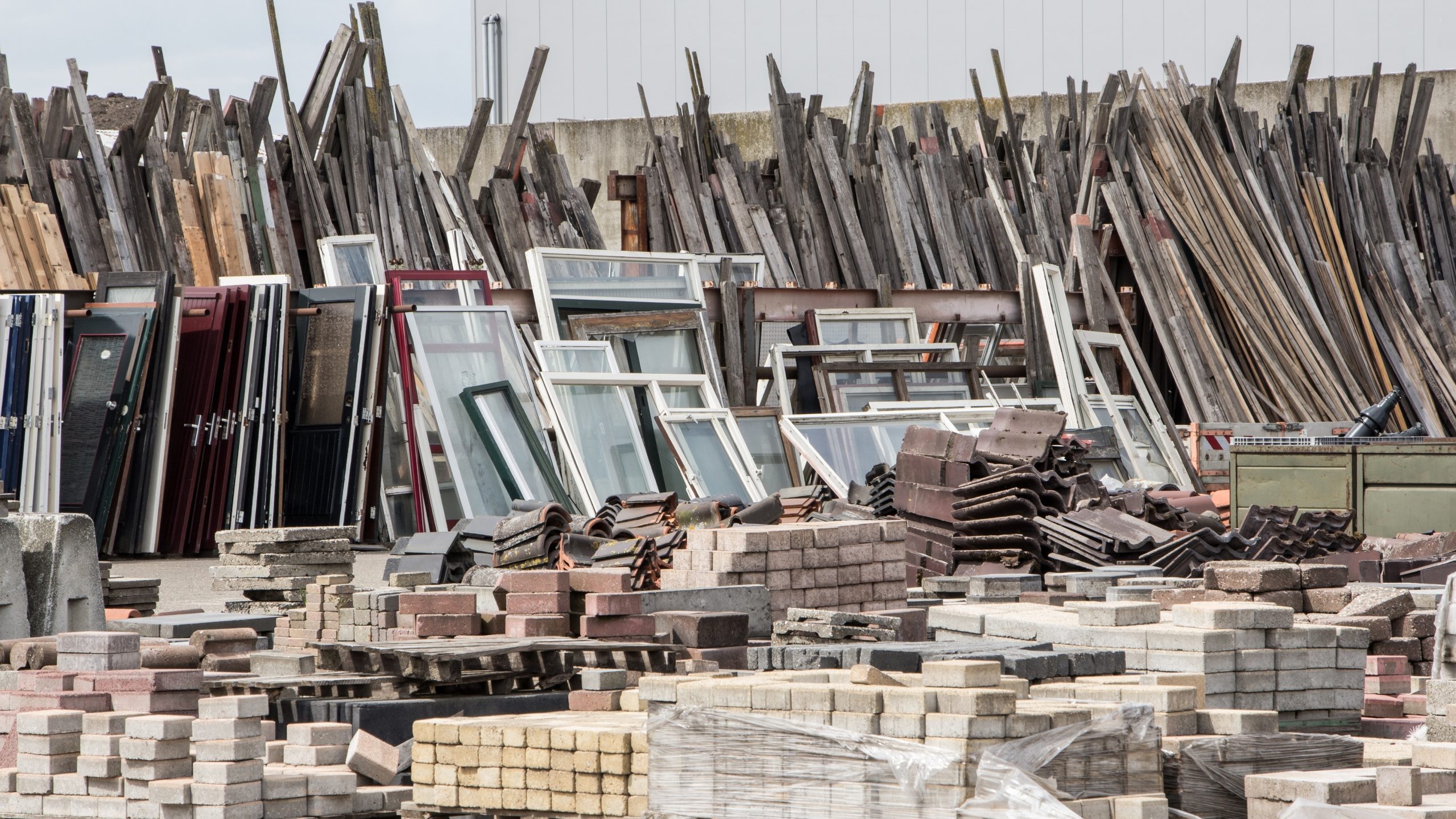
Joint Position Paper ‘From flat to circular: Rethinking glass in construction’
Executive Summary Flat glass plays a vital role in the EU’s transition towards a circular and decarbonised economy. With approximately 10 million tonnes of flat glass placed on the market annually – 80% of which is used in the building sector[1] – its end-of-life management presents both a challenge and an opportunity. While the environmental […]
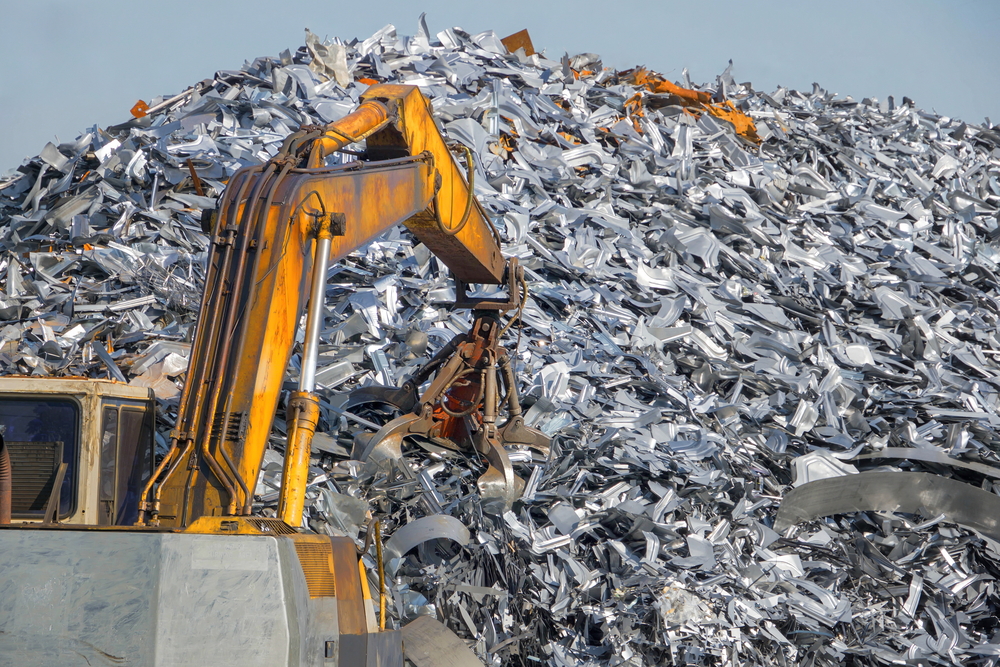
Export tariffs threaten EU circularity: EU aluminium recyclers oppose restrictions, urge value chain cooperation
EuRIC, the voice of European recyclers, strongly opposes the potential introduction of export tariffs on recycled aluminium, which is frequently mischaracterised as “scrap.” Contrary to concerns raised by aluminium producers about excessive exports, official data shows a year-on-year decline in export volumes, with shipments to the United States accounting for just 0.4% of total EU […]

EU Recyclers’ position on the simplification of administrative burden in environmental legislation
The European Recycling Industries’ Confederation (EuRIC) welcomes the initiative on the simplification of administrative burden in environmental legislation and underlines the need for making EU legislation more efficient and effective while safeguarding ambitious environmental objectives. To foster a circular and competitive EU industry, EuRIC highlights that: Although we fully support its initial purpose, we believe […]
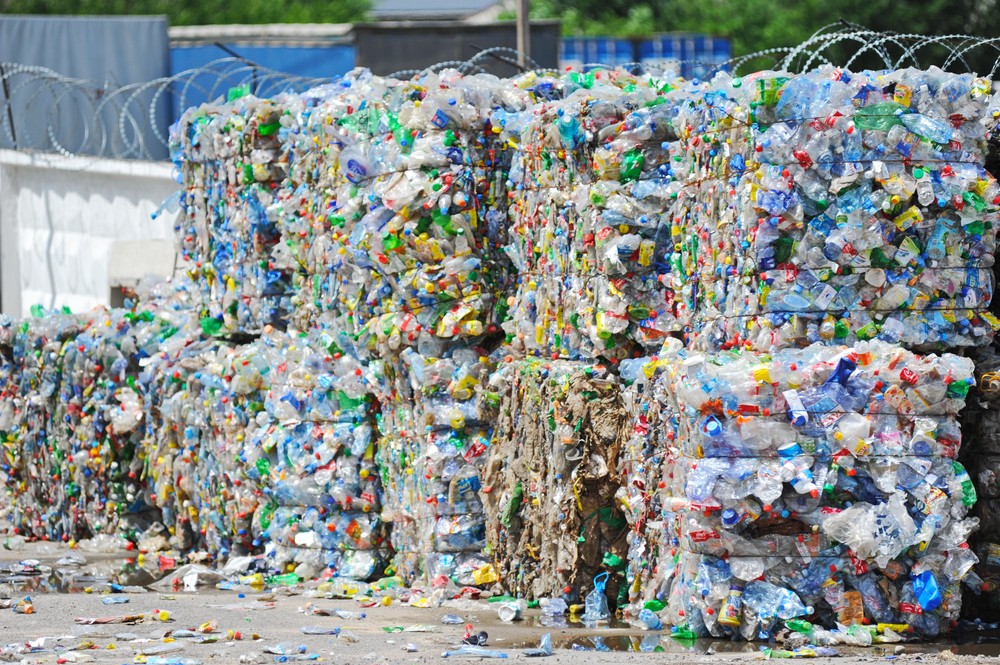
Joint Letter: Strategic Recommendations for a Resilient and Circular Plastic Value Chain in the EU
Dear President von der Leyen, The European plastic value chain is facing a deepening industrial recession that threatens its role in delivering circularity, strategic autonomy, and green innovation. Immediate and decisive policy intervention is imperative to halt this decline. In parallel, medium to long-term recovery and resilience must be secured through the ambitious implementation of […]

EuRIC position on the new rules for calculating, verifying and reporting on recycled plastic content under the SUPD
EuRIC – the European Recycling Industries’ Confederation – believes that developing robust and fair calculation methods for the recycled content is of paramount importance to ensure a level playing field for all recycling technologies. This is particularly relevant at a time when the mechanical recycling industry is experiencing a serious crisis with numerous bankruptcies across […]

NGO-Business Coalition’s answer to the latest draft Implementing Act laying down rules for the calculation of recycled plastic content under the SUPD
The undersigned organisations, representing civil society, business organisations and companies active along the waste management value chain, highlight that rules for calculating recycled content in plastics using a mass balance approach under the Single Use Plastics Directive (SUPD) will in influence market dynamics and shape the industry for decades to come. As the first regulation […]

Bridging circularity and decarbonisation through an ambitious EU Green Public Procurement (GPP) framework
Executive Summary Public procurement represents a powerful yet underutilised tool in the EU’s transition towards a climate-neutral, circular economy. Accounting for approximately 14% of the EU GDP – over €2.4 trillion annually, public procurement holds significant potential to influence market demand, shift production patterns, and accelerate the uptake of recycled materials and circular products, thereby […]
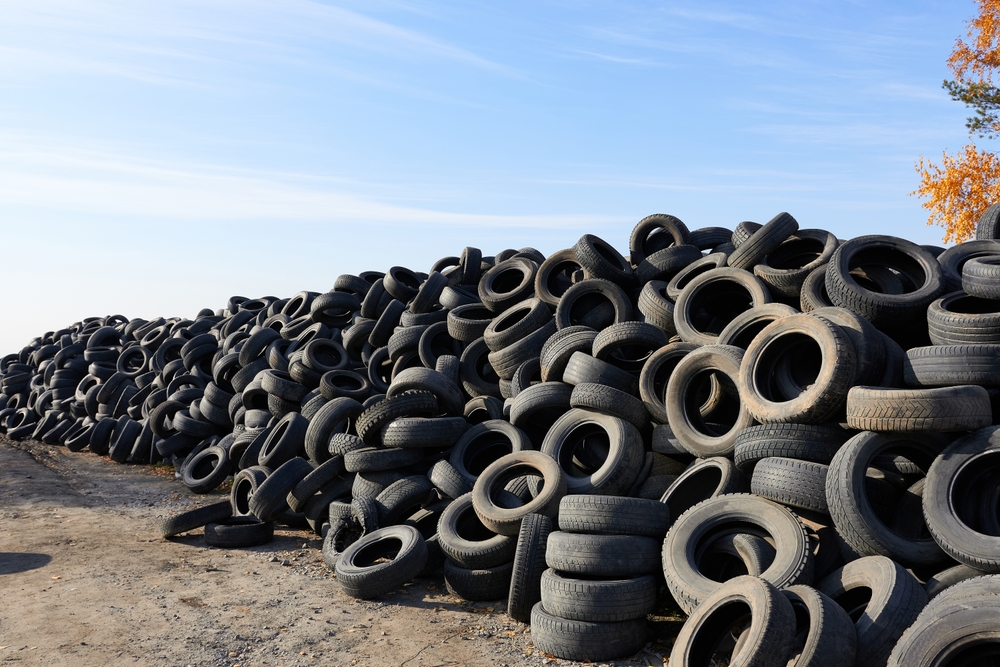
Harmonised End-of-Waste criteria: A key step to strengthening Europe’s tyre recycling market
Harmonised End-of-Waste criteria: A key step to strengthening Europe’s tyre recycling market EURIC[i] and ETRMA[ii] call for the development of EU-wide End of Waste (EoW) criteria for the End-of-Life Tyres (ELT)-derived Rubber Waste Stream. The rubber supply chain is ready for the next step in the advancement and uptake of the recycling of ELT-derived materials. […]
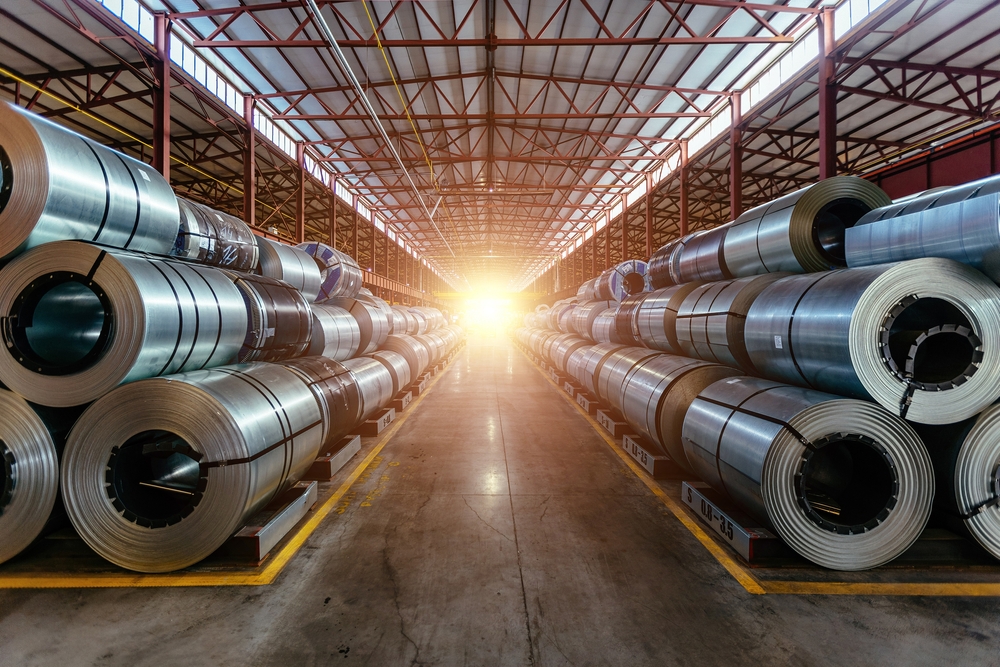
No true ‘green steel’ labelling without circularity at its core
EuRIC, the voice of Europe’s recycling industries, welcomes the EU’s initiative to define and label “green steel” as outlined in the Steel and Metals Action Plan, in an effort to support the decarbonisation of this industry and strengthen its competitiveness. As discussions evolve and methodologies are assessed, EuRIC stresses the need for a methodology that […]