

Joint Letter: Strategic Recommendations for a Resilient and Circular Plastic Value Chain in the EU
Dear President von der Leyen,
The European plastic value chain is facing a deepening industrial recession that threatens its role in delivering circularity, strategic autonomy, and green innovation. Immediate and decisive policy intervention is imperative to halt this decline. In parallel, medium to long-term recovery and resilience must be secured through the ambitious implementation of the Clean Industrial Deal and the forthcoming Circular Economy Act.
While cornerstone initiatives in the previous policy cycle have marked major progress toward circularity, the European plastic value chain is now experiencing an unprecedented crisis. Soaring energy costs, legal uncertainty, regulatory fragmentation and intensifying global competition are steadily eroding the sector’s resilience and undermining its capacity to invest, innovate, and compete. The threat of de-industrialisation is no longer abstract; it is rapidly becoming a reality, with effective and often irreversible site closures and other serious implications1 for Europe’s circularity leadership and green job creation.
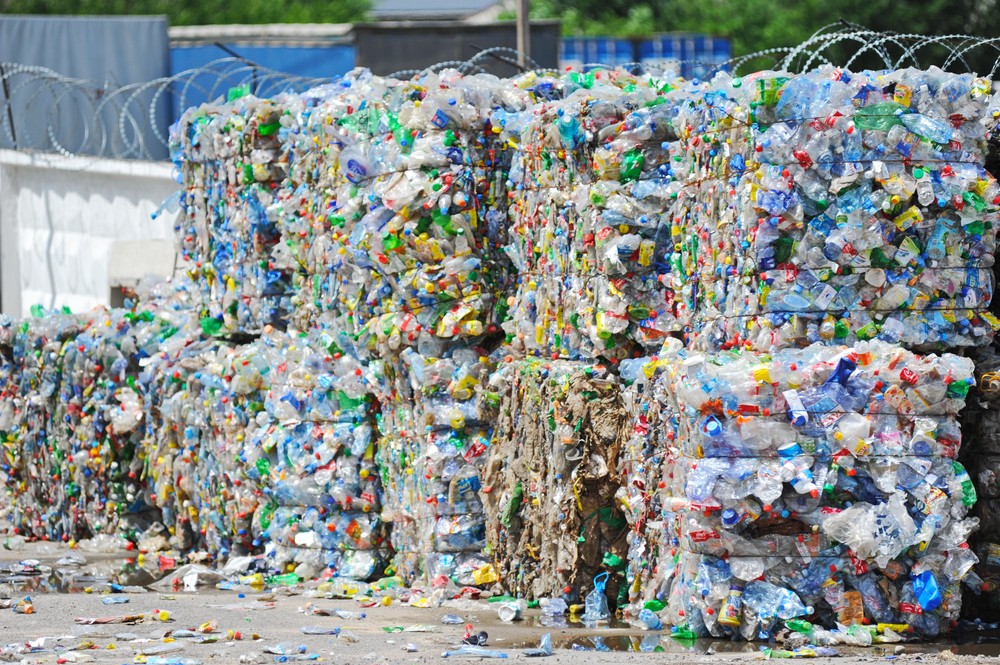
Recent data confirm the severity of the decline and underscore the urgency for intervention. Between 2018 and 2022, plastics production in Europe declined by 13.3%, followed by a further drop of 8.3% in 20232. At this rate, EU plastics production could soon fall back to levels not seen since the year 2000, even as polymer consumption continues to rise3. Equally concerning, 2023 saw the slowest growth in recycling capacity in years and a surge in facility closures across Member States. On top of that, the upcoming restrictions to export plastic waste to third countries will intensify the need for a strong internal market for recycled plastics. In response, the entire plastic value chain, including waste management operators, recyclers, raw material producers and plastics converters, puts forward a set of strategic recommendations to shape a forward-looking agenda to foster industrial competitiveness, strengthens supply chain resilience, and secures a sustainable, circular, and innovation-driven plastics economy for Europe.
Read the joint strategic recommendations below.