


Publication hub
- All Publications
- Position papers/letters
- Press releases & statements
- Public consultations & recommendations
- Reports & studies
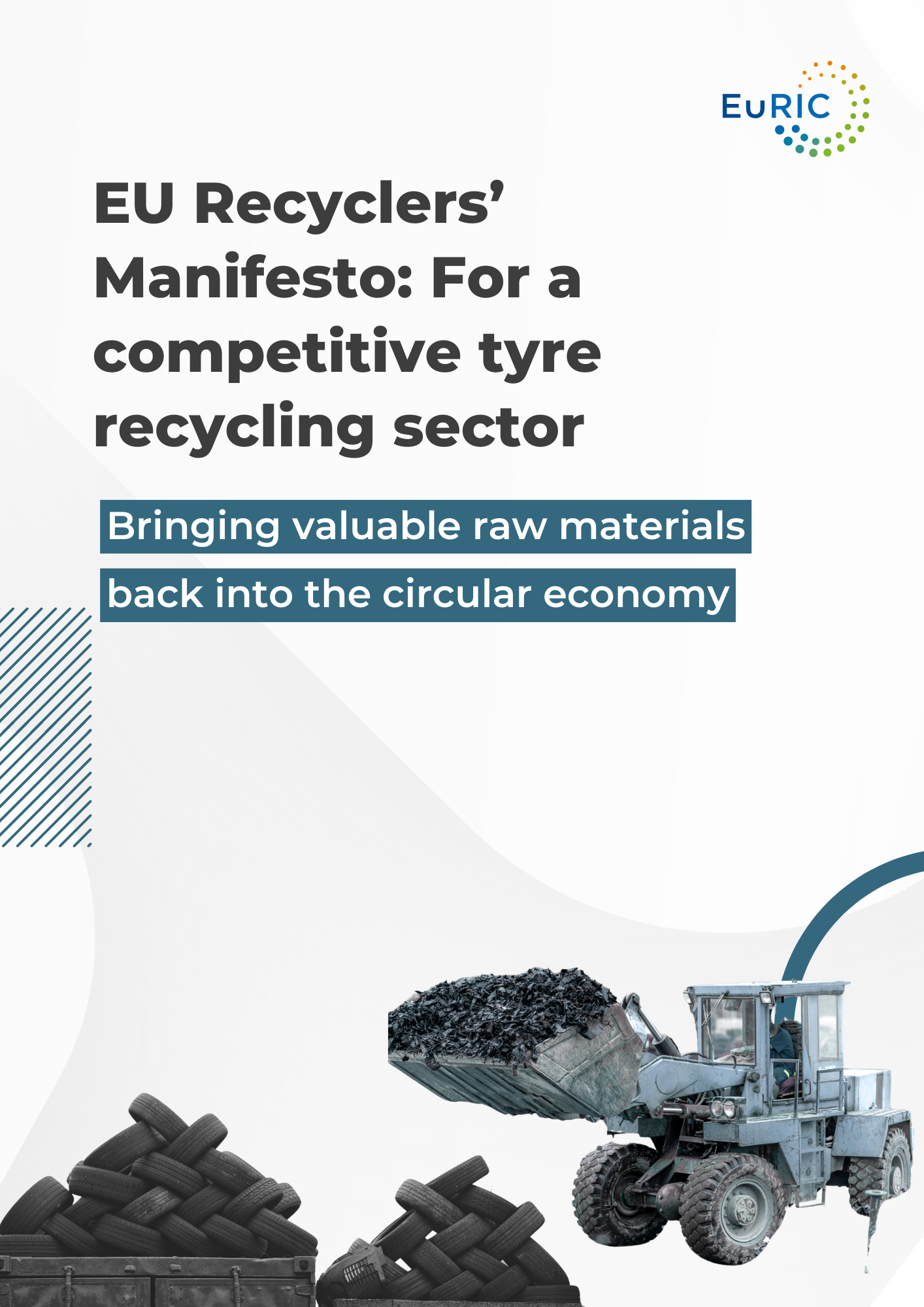
EU Recyclers’ Manifesto: For a competitive tyre recycling sector
Each year, the EU generates around 3 million tonnes of end-of-life tyres, but only 50% are recycled, with the rest incinerated for energy recovery. While EU legislation has boosted tyre collection systems, mechanical recycling remains underused despite its clear CO₂ reduction benefits. Recyclers face major challenges, including low market demand for recycled materials, lack of […]
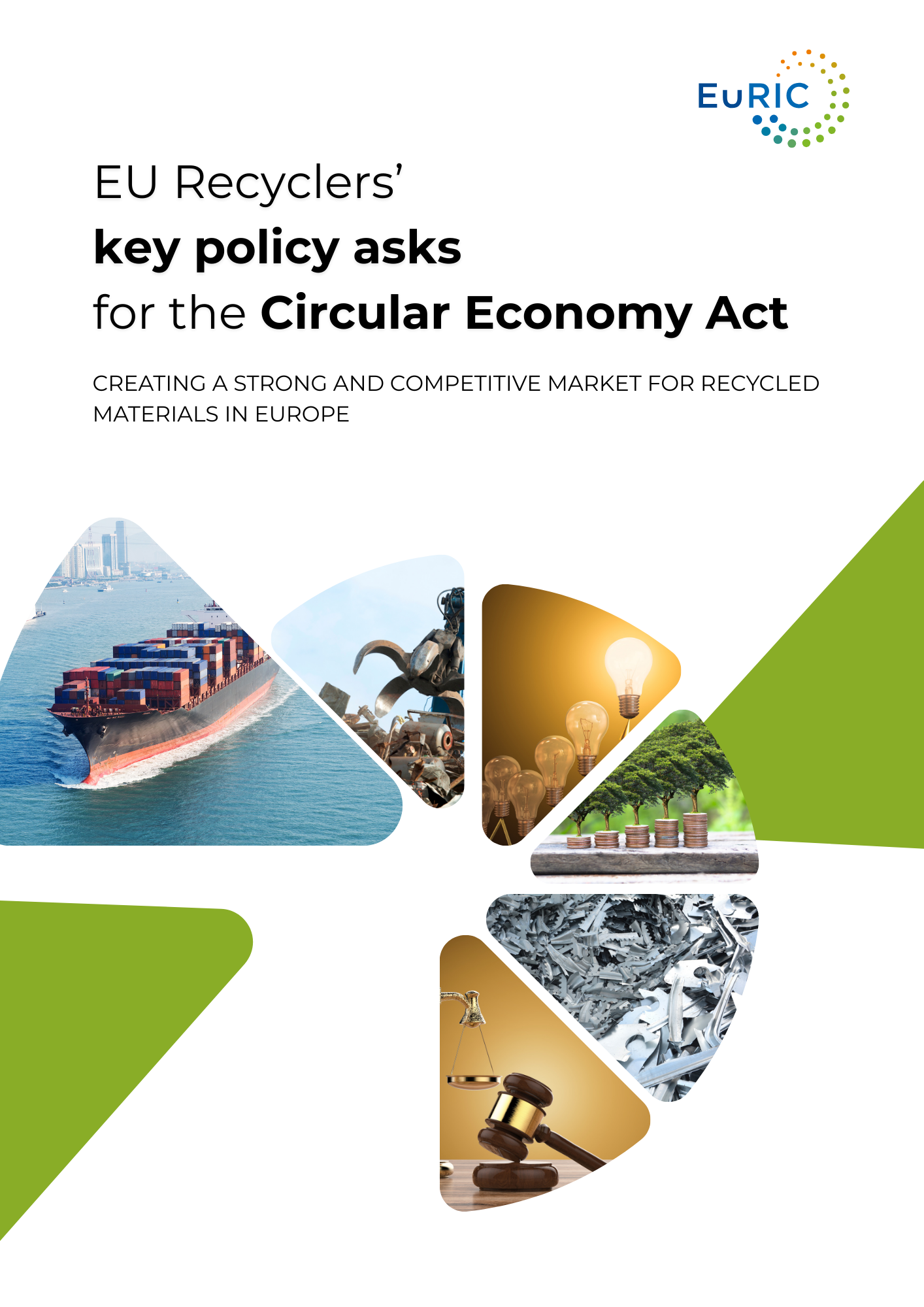
EU Recyclers’ key policy asks for the Circular Economy Act
Circularity is no longer a niche environmental ambition – it is fast becoming a defining pillar of Europe’s industrial strategy. Amid mounting geopolitical pressures, volatile supply chains, and climate emergencies, the ability to retain materials, reduce resource dependence, and lower emissions has moved to the core of EU policymaking. This shift is visible across several […]
EuRIC Annual Report 2024
EuRIC, the European Recycling Industries’ Confederation has published its Annual Report for 2024. The Annual Report provides a summary of the collective achievements of the members, partners, sponsors, Branches and the Secretariat in 2024 across the fields of metals, e-waste, packaging, plastics, paper, tyres, End-of-life Vehicles (ELVs), waste shipments, textiles, construction and demolition, and ship […]
EU Recyclers’ Manifesto: Increasing textiles circularity by 2030
Each EU citizen generates about 16 kg of textile waste annually, but only 4.4 kg is collected separately within the EU for reuse and recycling. The majority goes to mixed household waste, ending up in incinerators or landfills. The textile sector significantly impacts the environment, being the 3rd largest contributor to environmental pressure on water […]
EU Recyclers’ Circular Economy Action Plan for Recycled Metals
The metals and steel recycling industry is vital for the EU’s climate and environmental goals, as well as its strategic autonomy. A strong European metals recycling sector is not just vital for maintaining a competitive metal value chain, but also for ensuring that the EU meets its emission reduction and circularity targets. However, European recyclers […]
EU Recyclers’ Guide For a Circular & Competitive Automotive Sector
The European Commission’s proposal for a Regulation on vehicles and end-of-life vehicles (ELVs) presents a crucial opportunity to enhance circularity throughout the vehicle lifecycle and support climate neutrality goals. EuRIC, the voice of Europe’s recycling industries, outlines 5 key proposals to achieve a balanced approach that drives demand for recycled materials, encourages the use of […]
EU Recyclers’ Manifesto: For a strong ship recycling sector in Europe
At the end of their operational life, the vast majority of vessels are today treated outside the EU, most often in countries where environmental and social standards fall short. This practice not only poses serious risks to human health and the environment, but also results in the loss of valuable resources, particularly of steel scrap. […]
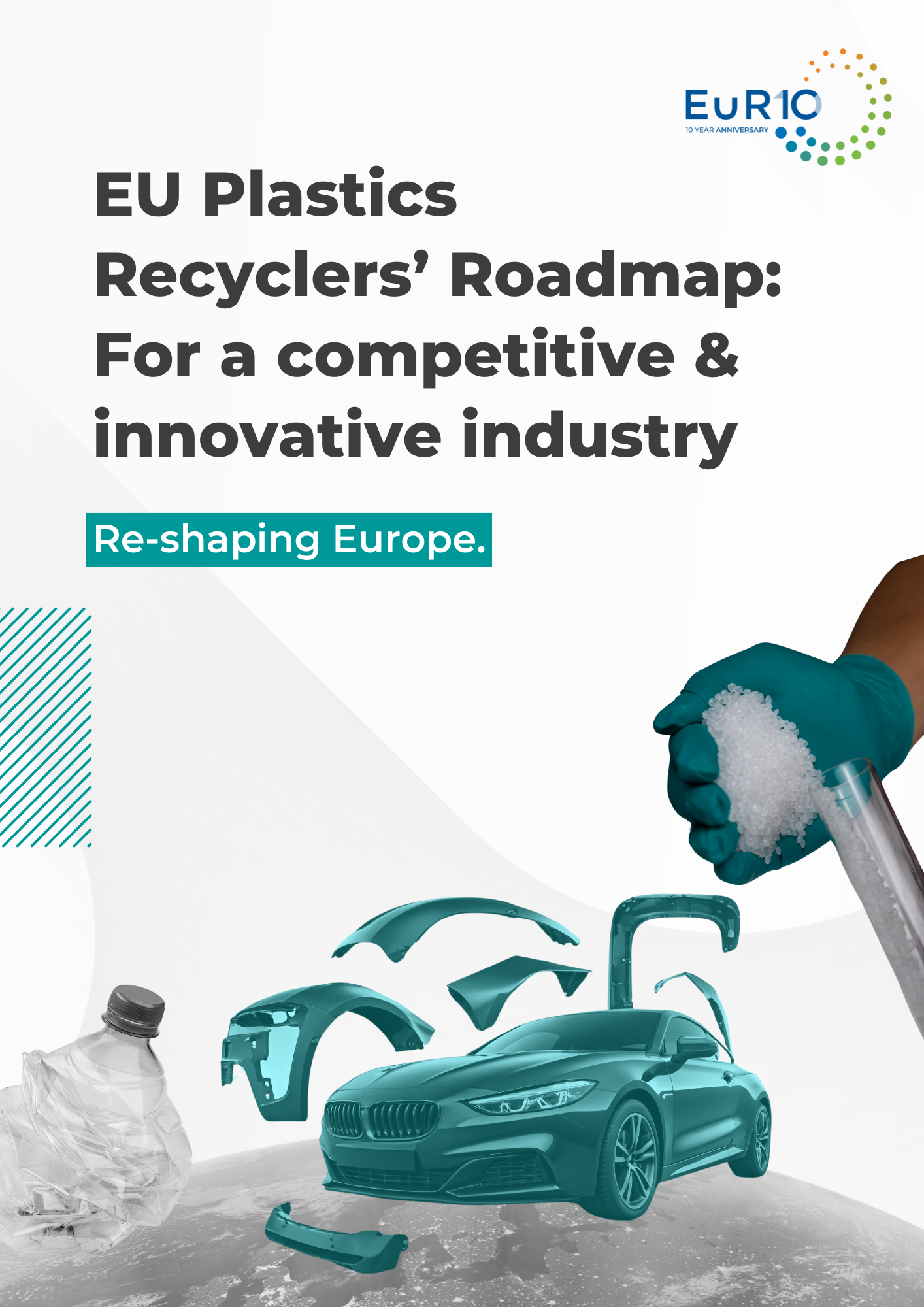
EU Plastics Recyclers’ Roadmap: For a competitive & innovative industry
In this Roadmap, EuRIC’s Plastics Recycling Branch (EPRB) explores the current state of the EU plastics recycling industry and outlines key recommendations for the EU’s 2024-2029 mandate to boost plastics recycling in the EU while driving innovation and investment.
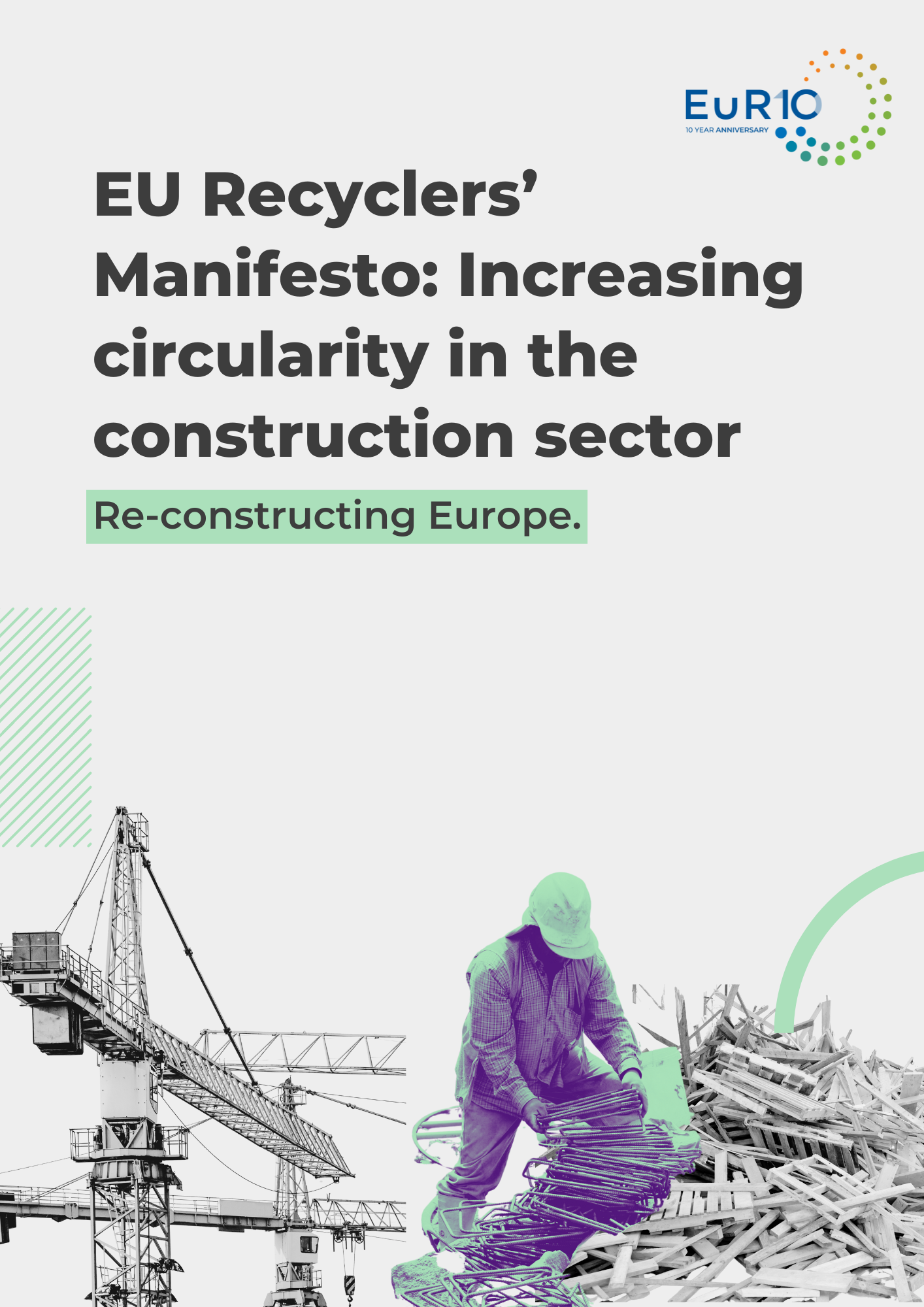
EU Recyclers’ Manifesto: Increasing circularity in the construction sector
Construction and Demolition Waste (CDW), including concrete, wood, metals, bricks, glass, and plastics, makes up about 30% of all waste generated annually in the EU, representing a major material stream. The construction sector also significantly impacts the environment, contributing around 12% of the EU’s greenhouse gas emissions. In this Manifesto, EuRIC’s Construction and Demolition Branch […]