What we recycle

Plastics

Plastics are composed of polymers i.e., compounds made of many small molecules.

Ferrous metals

Ferrous metals, primarily composed of iron, include materials like steel and cast iron, which are commonly found in construction, manufacturing, and transportation.

Non-Ferrous metals

Non-ferrous metals, such as aluminum, copper, lead, zinc, and titanium, do not contain iron and are valued for their resistance to corrosion and high conductivity.

Paper

Recycled paper is a versatile material that can replace or supplement virgin pulp to create new products like packaging, newspapers, and insulation.

Textiles

Textiles, including both synthetic fibers like polyester and natural fibers like cotton, are integral to daily life, with global production nearly tripling since 1975.

Tyres

Tyres contain multiple valuable materials such as rubber (75%), steel (15%) and textile fibres (10%).

Construction & Demolition

Construction and demolition (C&D) waste includes materials like concrete, bricks, wood, metals, glass, plastics, and hazardous substances such as asbestos.

End-of-life Vehicles

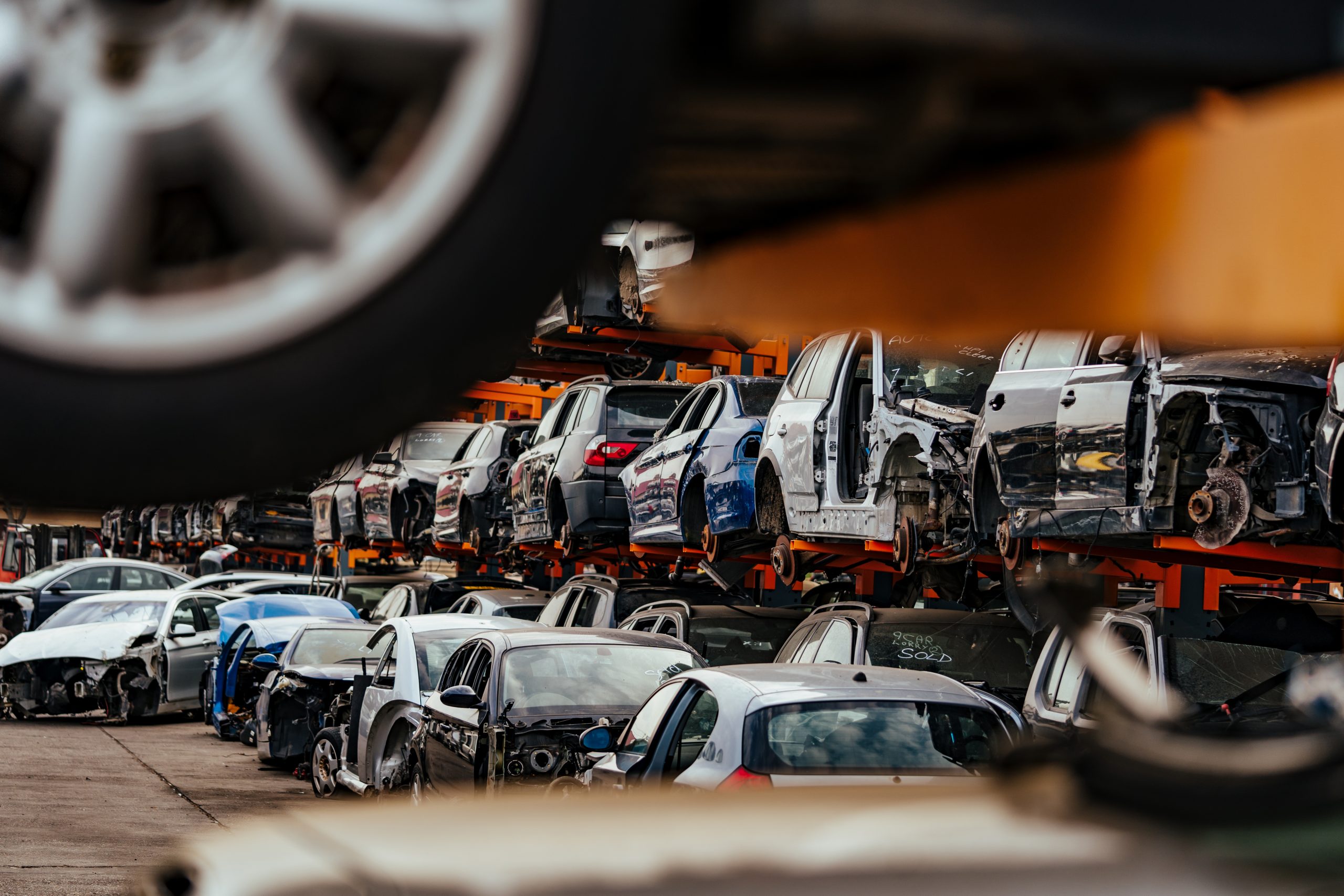
End-of-life Vehicles (ELVs) contain valuable materials like metals (steel, aluminum), plastics, rubber, and glass, as well as batteries.

E-waste

E-waste, otherwise referred to as waste electronical and electronic equipment (WEEE), is mainly composed of non-ferrous metals (nickel, copper, lead, etc.

Ships

End-of-life ships are decommissioned vessels that contain valuable materials like steel, metals, and electronics, along with hazardous substances such as asbestos, oils, and toxic chemicals.

Who we are

10 November 2025

Recycling Europe unveils manifesto for paper circularity
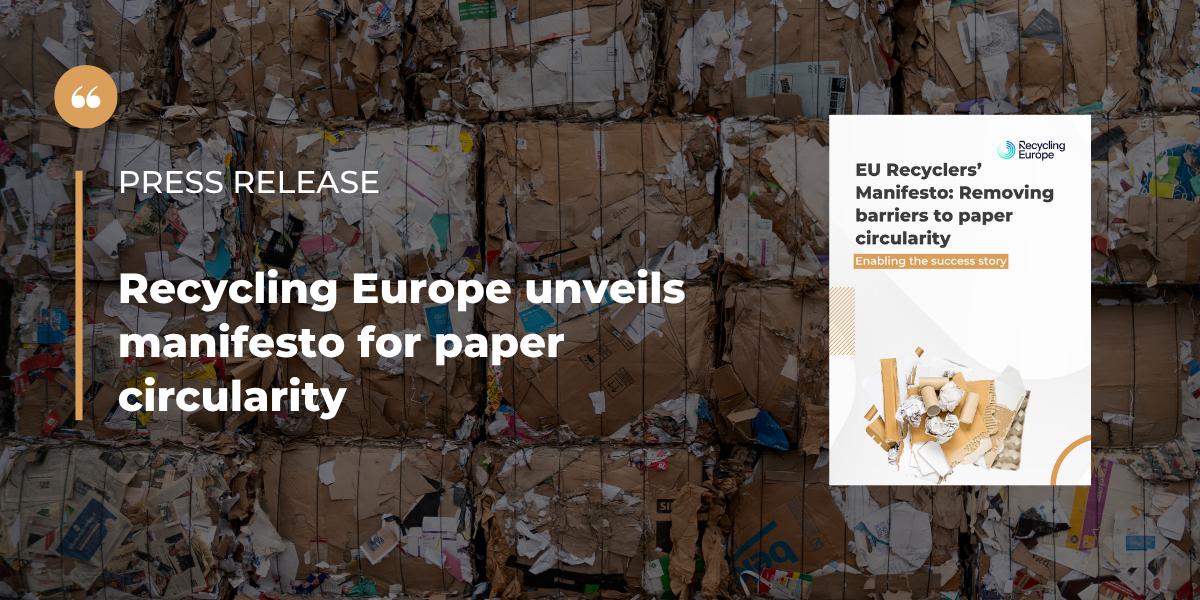
Brussels, 10 November 2025 – Recycling Europe’s Paper branch (Recycling Europe Paper), representing Europe’s recovered paper collectors and recyclers, has launched its “EU Recyclers’ Manifesto: Removing barriers to paper circularity”, which sets out four key policy actions needed to secure one of Europe’s strongest circular economy value chains.

Paper recycling is a longstanding European success story. Every tonne of recovered paper saves resources, cuts CO₂ emissions, and supports thousands of jobs. Yet this achievement is increasingly at risk due to regulatory fragmentation, market pressures, and the growing fire danger caused by mis-sorted lithium batteries. Without coherent EU action, Europe risks losing momentum on circularity and competitiveness.

The manifesto calls on EU policymakers to:

  • Recognise recovered paper as a resource to provide legal certainty and support investment.
  • Reduce administrative burdens and strengthen the Single Market for recycled materials.
  • Maintain access to global markets to balance supply and demand.
  • Address lithium battery fire risks through better design, disposal, and enforcement.

“Paper recycling is a European success story, but one that cannot be taken for granted”, said José Andrés Martín Cubero, President of Recycling Europe Paper. He added “Europe can reinforce a circular value chain that already delivers climate benefits, industrial resilience, and economic opportunities. Our Paper Manifesto outlines the steps to secure this future.”
Download the publication

Download

Related Publications

Stay informed with our latest insights, anytime, anywhere.