

Parliament’s ELVR amendments lower circularity ambitions for vehicles
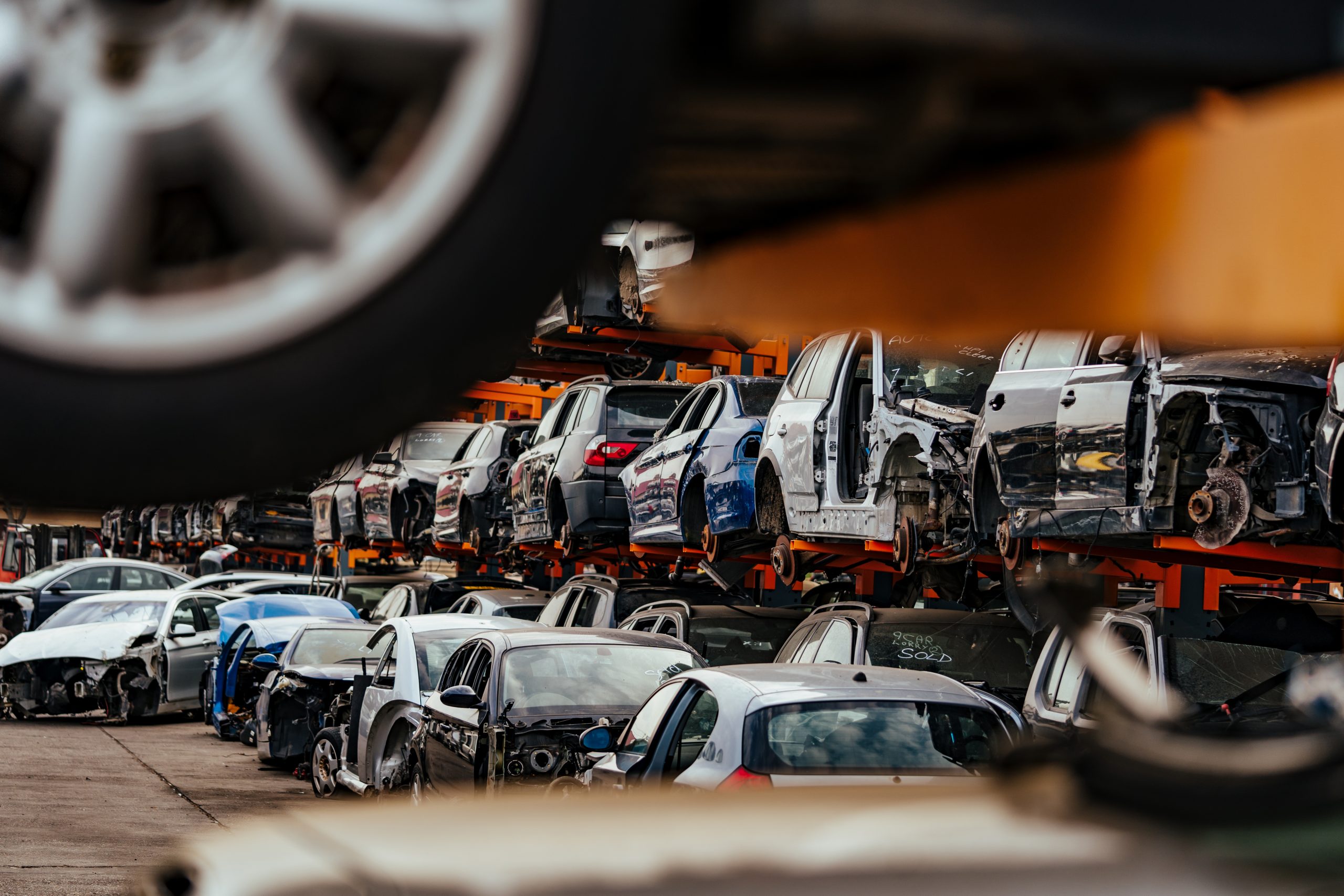
EU recyclers warn that the EU Parliament’s adopted amendments on the End-of-Life Vehicles Regulation (ELVR) fall short of what is needed to deliver on automotive circularity. By watering down the concreate measures aimed at increasing circularity, such as the plastic recycled content target, the Parliament’s approach risks missing the mark and weakening Europe’s competitiveness.
On the positive side, recyclers welcome steps towards technology-neutral treatment rules and more flexibility in dismantling obligations for Authorised Treatment Facilities (ATFs), as well as the move to ensure balanced representation in Producer Responsibility Organisations (PROs). However, EuRIC warns that PROs must remain strictly non-profit, and that contracts between PROs and ATFs should stay voluntary and limited to EPR-related obligations, not evolve into tools for supply control.
EuRIC deeply regrets that recycled plastic content requirements have been cut back to 20% within six years, while pre-consumer waste and elastomers may count towards the target. A review clause adds further uncertainty, undermining investment decisions in a sector already under severe strain. The absence of a mirror clause for imports also leaves a critical gap, exposing European industry to unfair competition and shifting environmental benefits abroad.
On metals the Parliament has taken an important step forward by reducing the constrains initially placed on the quality of recovered materials and the recycling process itself. Yet, the provisions of a Regulation whose aim is to improve circularity in the automotive industry should not include references to pre-consumer waste and a not yet defined low CO2 steel, as these are not circularity metrics. This approach risks opening the door for more imports of direct reduced iron products in Europe, further exacerbating Europe’s reliance on third countries first for materials and ultimately for end products, putting an end to EU manufacturing.
With trilogues coming up, EuRIC urges co-legislators to raise ambition, strengthen targets, close loopholes, and restore investor confidence so that the ELVR can truly deliver on Europe’s circular and climate goals.