What we recycle

Plastics

Plastics are composed of polymers i.e., compounds made of many small molecules.

Ferrous metals

Ferrous metals, primarily composed of iron, include materials like steel and cast iron, which are commonly found in construction, manufacturing, and transportation.

Non-Ferrous metals

Non-ferrous metals, such as aluminum, copper, lead, zinc, and titanium, do not contain iron and are valued for their resistance to corrosion and high conductivity.

Paper

Recycled paper is a versatile material that can replace or supplement virgin pulp to create new products like packaging, newspapers, and insulation.

Textiles

Textiles, including both synthetic fibers like polyester and natural fibers like cotton, are integral to daily life, with global production nearly tripling since 1975.

Tyres

Tyres contain multiple valuable materials such as rubber (75%), steel (15%) and textile fibres (10%).

Construction & Demolition

Construction and demolition (C&D) waste includes materials like concrete, bricks, wood, metals, glass, plastics, and hazardous substances such as asbestos.

End-of-life Vehicles

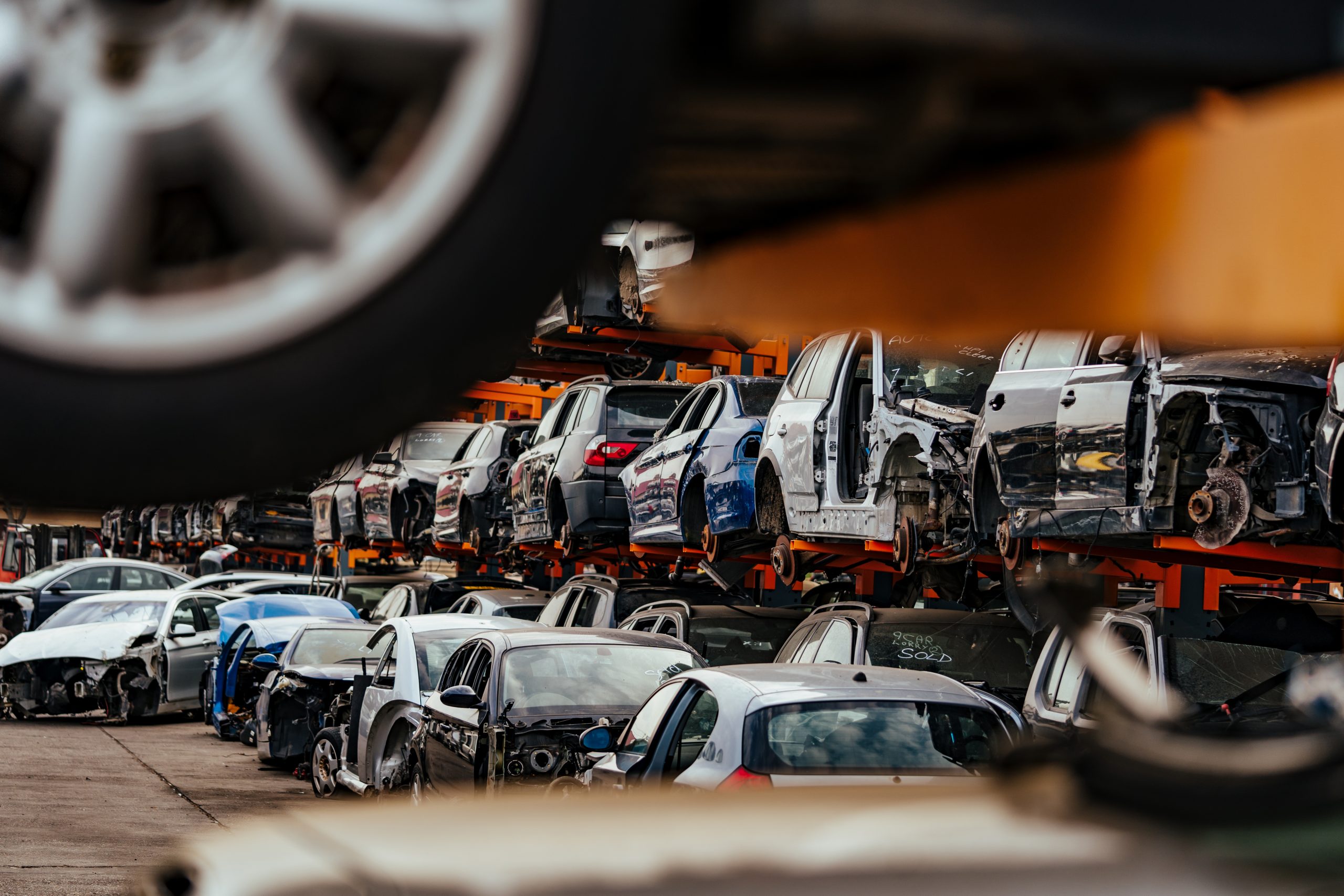
End-of-life Vehicles (ELVs) contain valuable materials like metals (steel, aluminum), plastics, rubber, and glass, as well as batteries.

E-waste

E-waste, otherwise referred to as waste electronical and electronic equipment (WEEE), is mainly composed of non-ferrous metals (nickel, copper, lead, etc.

Ships

End-of-life ships are decommissioned vessels that contain valuable materials like steel, metals, and electronics, along with hazardous substances such as asbestos, oils, and toxic chemicals.

Who we are

30 September 2025

EuRIC becomes Recycling Europe: A new name for a stronger voice
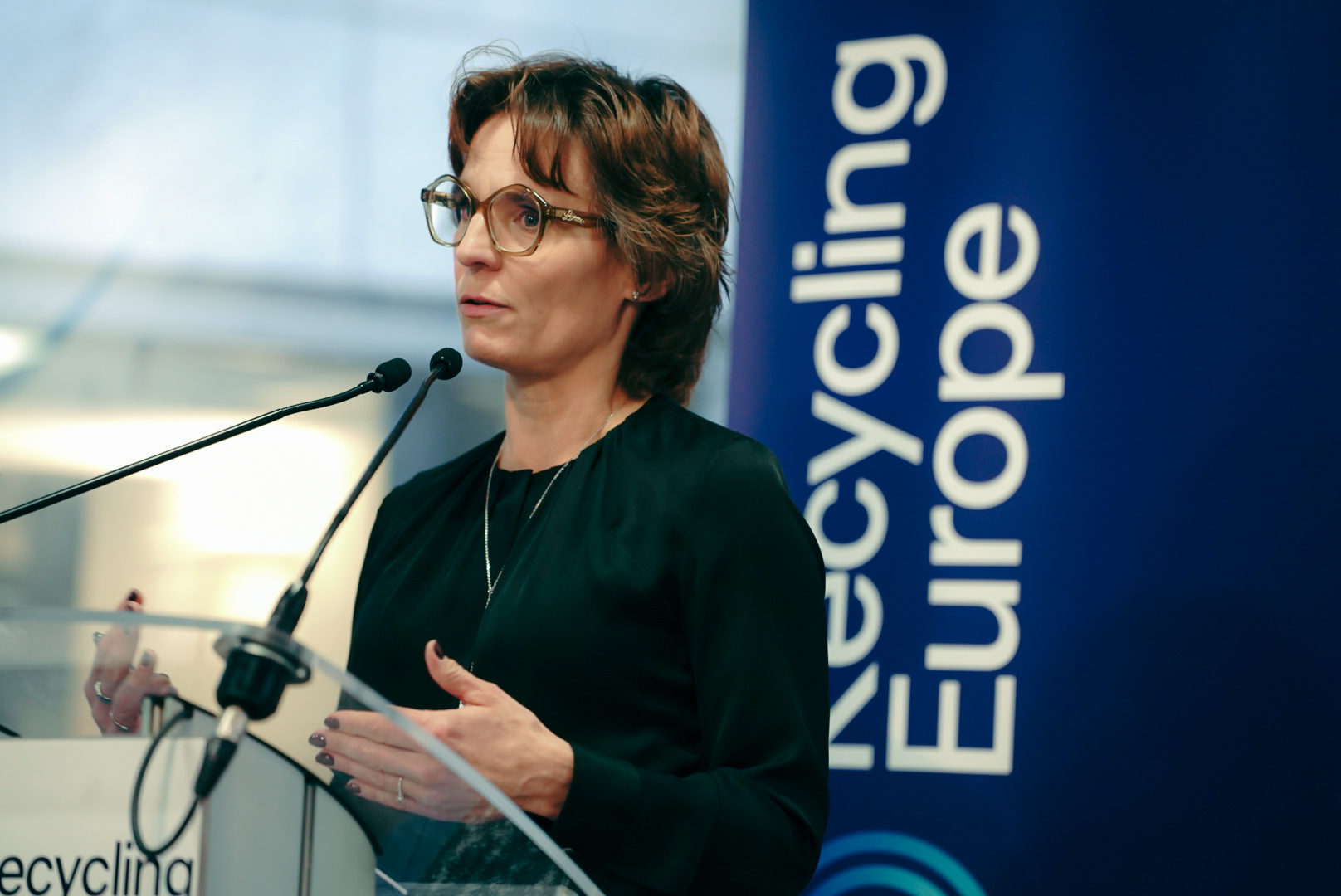
Brussels, 30 September 2025 – EuRIC, The European Recycling Industries’ Confederation, is proud to announce its rebranding to Recycling Europe, signalling a pivotal moment in reinforcing  mission: to speak with one voice for Europe’s recycling industry in an increasingly competitive and uncertain global landscape.

As Europe navigates rising trade tensions, raw material insecurity, and the urgent need for industrial decarbonisation, Recycling Europe highlights the critical role of recyclers in delivering on the EU’s climate, circularity, resource autonomy, and competitiveness goals.

“Recycling Europe embodies the evolution of the Confederation into a unified, forward-looking voice for recyclers across the continent”, said Julia Ettinger, the association’s Secretary General. “While our name has changed, our mission remains the same: to ensure that recyclers are recognised and empowered as indispensable partners in building Europe’s circular and resilient economy.”

The new name reflects both continuity and ambition. Recycling Europe remains rooted in its founding principles: representing recyclers across all streams – from metals and plastics to paper, textiles, tyres and beyond -, while strengthening its visibility and impact at European and international levels.

Recycling Europe will continue to advocate for a regulatory framework that enables rather than restricts: one that supports open markets, investment in innovation, and the long-term resilience of European industry.
Download the publication

Download

Related Publications

Stay informed with our latest insights, anytime, anywhere.