

What we recycle

Plastics

Plastics are composed of polymers i.e., compounds made of many small molecules.

Ferrous metals

Ferrous metals, primarily composed of iron, include materials like steel and cast iron, which are commonly found in construction, manufacturing, and transportation.

Non-Ferrous metals

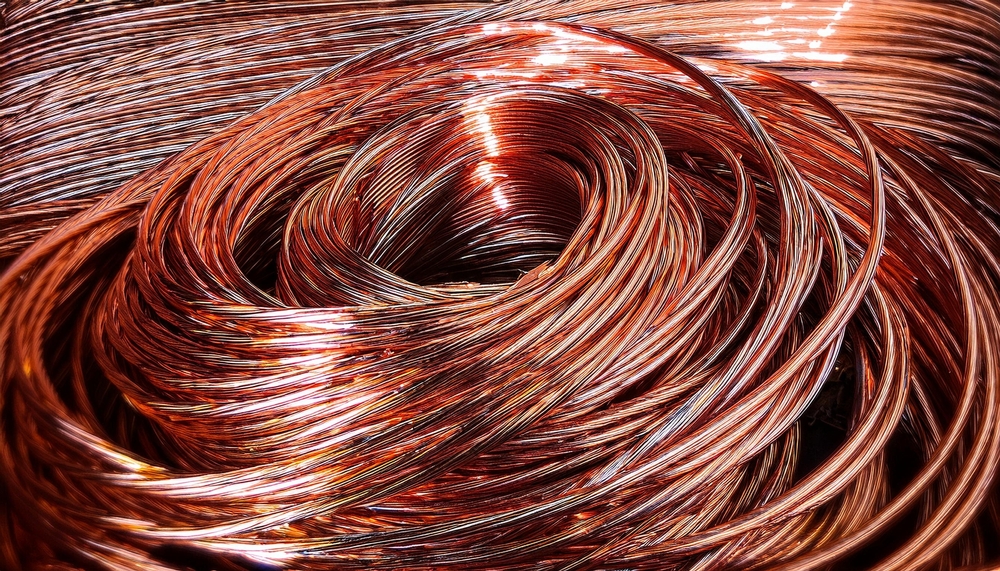
Non-ferrous metals, such as aluminum, copper, lead, zinc, and titanium, do not contain iron and are valued for their resistance to corrosion and high conductivity.

Paper

Recycled paper is a versatile material that can replace or supplement virgin pulp to create new products like packaging, newspapers, and insulation.

Textiles

Textiles, including both synthetic fibers like polyester and natural fibers like cotton, are integral to daily life, with global production nearly tripling since 1975.

Tyres

Tyres contain multiple valuable materials such as rubber (75%), steel (15%) and textile fibres (10%).

Construction & Demolition

Construction and demolition (C&D) waste includes materials like concrete, bricks, wood, metals, glass, plastics, and hazardous substances such as asbestos.

End-of-life Vehicles

End-of-life Vehicles (ELVs) contain valuable materials like metals (steel, aluminum), plastics, rubber, and glass, as well as batteries.

E-waste

E-waste, otherwise referred to as waste electronical and electronic equipment (WEEE), is mainly composed of non-ferrous metals (nickel, copper, lead, etc.

Ships

End-of-life ships are decommissioned vessels that contain valuable materials like steel, metals, and electronics, along with hazardous substances such as asbestos, oils, and toxic chemicals.

Who we are

Non-Ferrous metals

Non-Ferrous metals

Non-ferrous metals – unlike their ferrous counterparts – do not contain iron and examples, amongst others, include aluminium, copper, lead and zinc. Some of the uses of non-ferrous metals include construction, making tools, electrical cables, vehicle engines, pipelines, containers, and even cutlery.

Metals recycling saves CO2, energy, and reduces reliance on extracting raw materials. By closing the loop in the value chain, recycling prevents landfill and incineration of valuable critical raw materials, which can have a detrimental impact on the environment and human health e.g., pollution of natural waters.

Metals recycling saves between 60-95% of the energy needed compared to mining new raw materials. The use of recycled metals in new production reduces air pollution by 80%, water pollution by 76% and water use by 40%.

The EU only produces about 3% of the raw materials required to sustain the growing demand for metals. Yet, failures in the regulatory and market framework mean that recyclers do not compete on the same level playing field as producers extracting new raw materials – despite recycling’s significant energy and CO2 savings.

73%

73%

less energy is consumed when recycling steel compared to primary production

58%

58%

less CO2 from using recycled steel instead of raw steel

95%

95%

less energy is consumed when recycling aluminium compared to primary production

92%

92%

less CO2 from using recycled aluminium instead of raw steel
Related Publications

Stay informed with our latest insights, anytime, anywhere.