


Ferrous metals
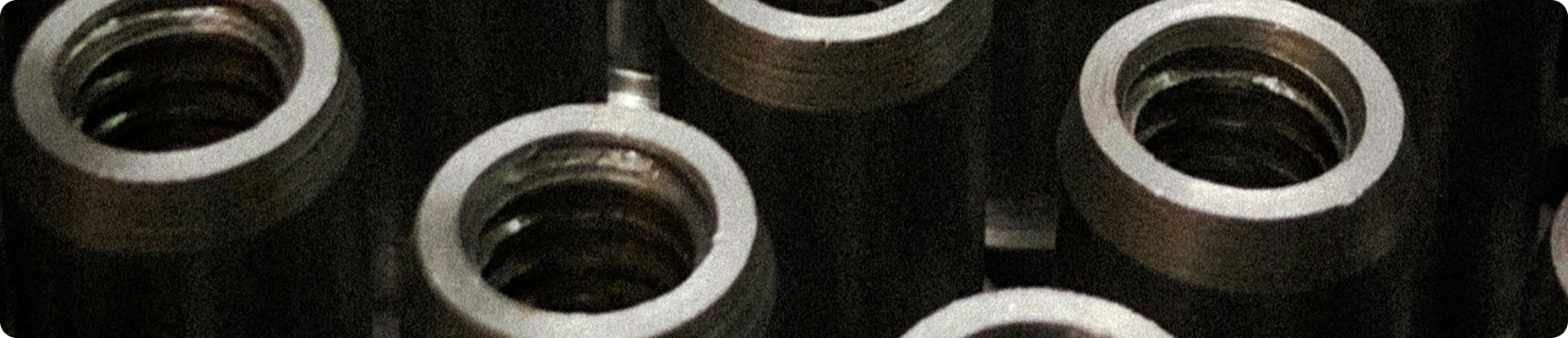
Ferrous metals are mainly composed of iron and have magnetic properties. Amongst them, steel is the most widely used metal, in large and small appliances e.g., cars, railways, bridges, household equipment, etc. Ferrous metals are typically used in the automotive, building, bridge, railway, machinery, shipping, and transportation sectors.
Metals recycling saves CO2, energy, and reduces reliance on extracting raw materials. By closing the loop in the value chain, recycling prevents landfill and incineration of valuable critical raw materials, which can have a detrimental impact on the environment and human health e.g., pollution of natural waters.
Metals recycling saves between 60-95% of the energy needed compared to mining new raw materials. The use of recycled metals in new production reduces air pollution by 80%, water pollution by 76% and water use by 40%.
The EU only produces about 3% of the raw materials required to sustain the growing demand for metals. Yet, failures in the regulatory and market framework mean that recyclers do not compete on the same level playing field as producers extracting new raw materials – despite recycling’s significant energy and CO2 savings.


73%
less energy is consumed when recycling steel compared to primary production

58%
less CO2 from using recycled steel instead of raw steel
95%
less energy is consumed when recycling aluminium compared to primary production
92%
less CO2 from using recycled aluminium instead of raw steel