

Cross-industry collaboration powering the conversation at Recycling Europe’s CEA event
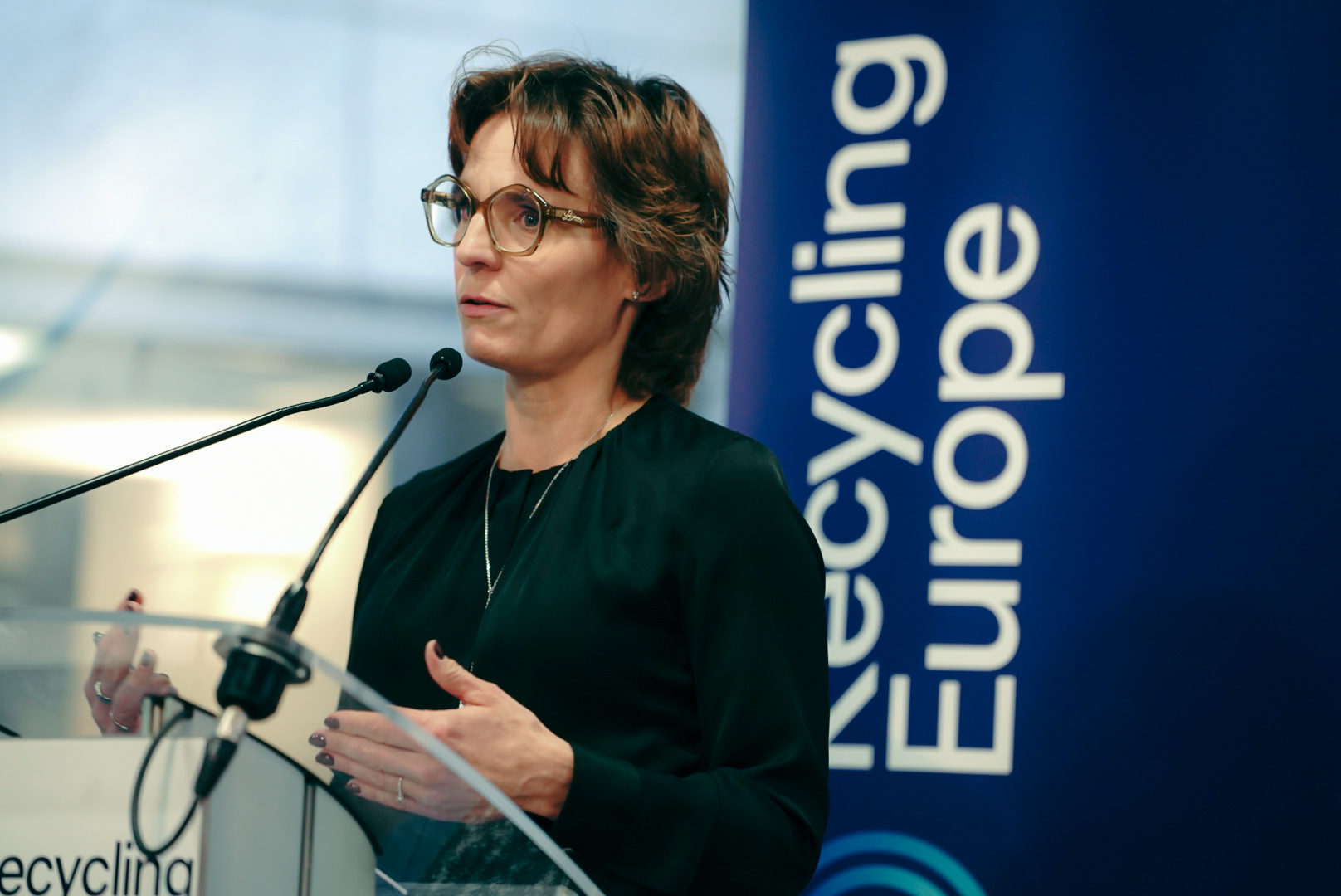
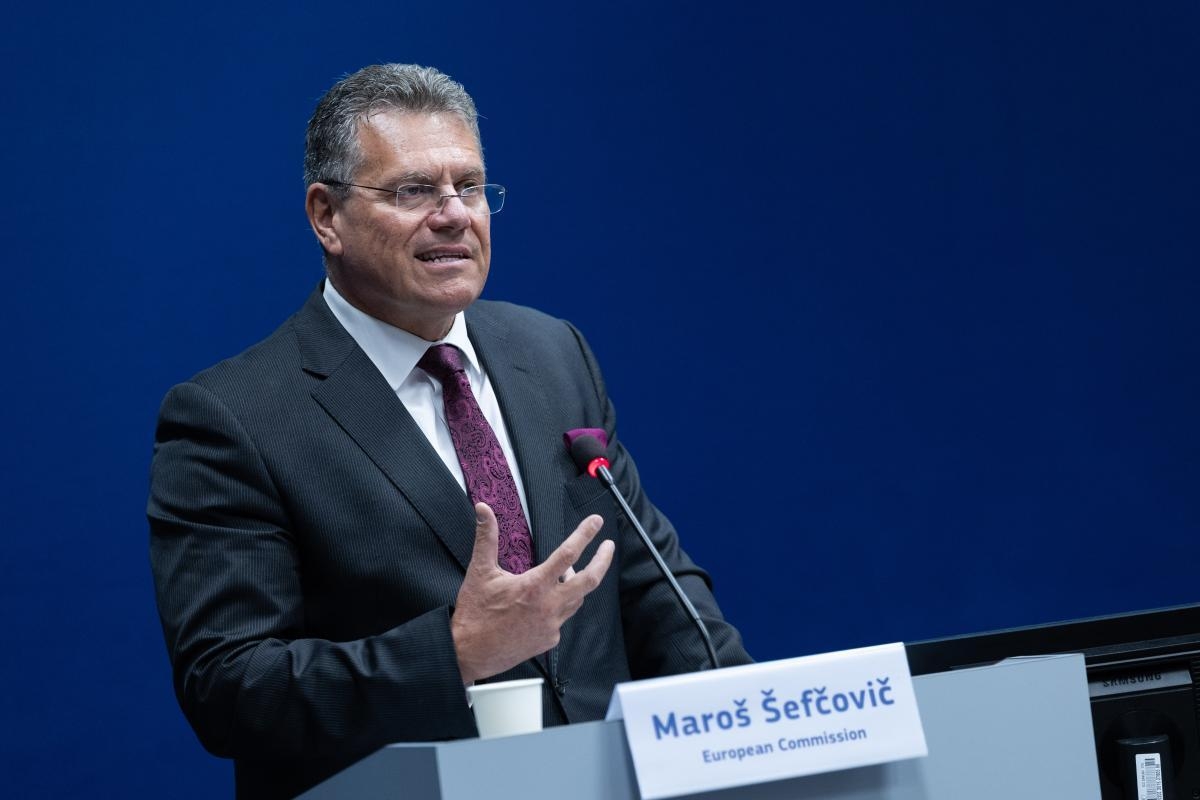
Brussels, 28 November 2025 – Yesterday’s high-level event on the Circular Economy Act (CEA), organised by Recycling Europe, brought together policymakers, industry leaders, NGOs and experts for a cross-sector conversation on how Europe can translate ambitious circularity goals into practical, scalable industrial solutions. As Olivier François, President of Recycling Europe, emphasised, “The Circular Economy Act is a unique opportunity to achieve these objectives – a pivotal chance to increase demand for recycled materials and remove obstacles to their free movement within the Single Market.”
Jessika Roswall (European Commissioner) opened the afternoon by stressing that the transition is not only about legislation but also about collaboration. She underlined that the CEA must help Europe decouple economic growth from resource use, backed by stable and harmonised rules, robust enforcement, and economic incentives aligned with circularity. Roswall also pointed to urgent challenges such as improving WEEE collection, strengthening the market for recycled materials, accelerating end-of-waste recognition, and ensuring that recyclers and producers align from the very start of product design.
The first panel, “One Act, many sectors: Boosting circular value chains,” explored what the CEA must deliver across industries. Hugo Sancho (Permanent Representation of France to the EU) highlighted the need to strengthen European sovereignty and reduce demand for virgin materials through ecodesign, reuse and repair. Caspar Klos (European Commission) noted the Commission is currently gathering input, focusing on EPR harmonisation, markets for recycled materials and end-of-waste criteria. Ekaterina Stoyanova (EURATEX) stressed that the CEA must be a stable, predictable and enforceable framework that reduces administrative burden and incentivises investment. Korrina Hegarty (APPLiA) emphasised aligning political objectives with market realities, capturing all WEEE and ensuring high-quality recycled materials. Sophie Sicard (PAPREC) highlighted the importance of boosting local demand, strengthening the internal market and ensuring consistency across EU legislation.
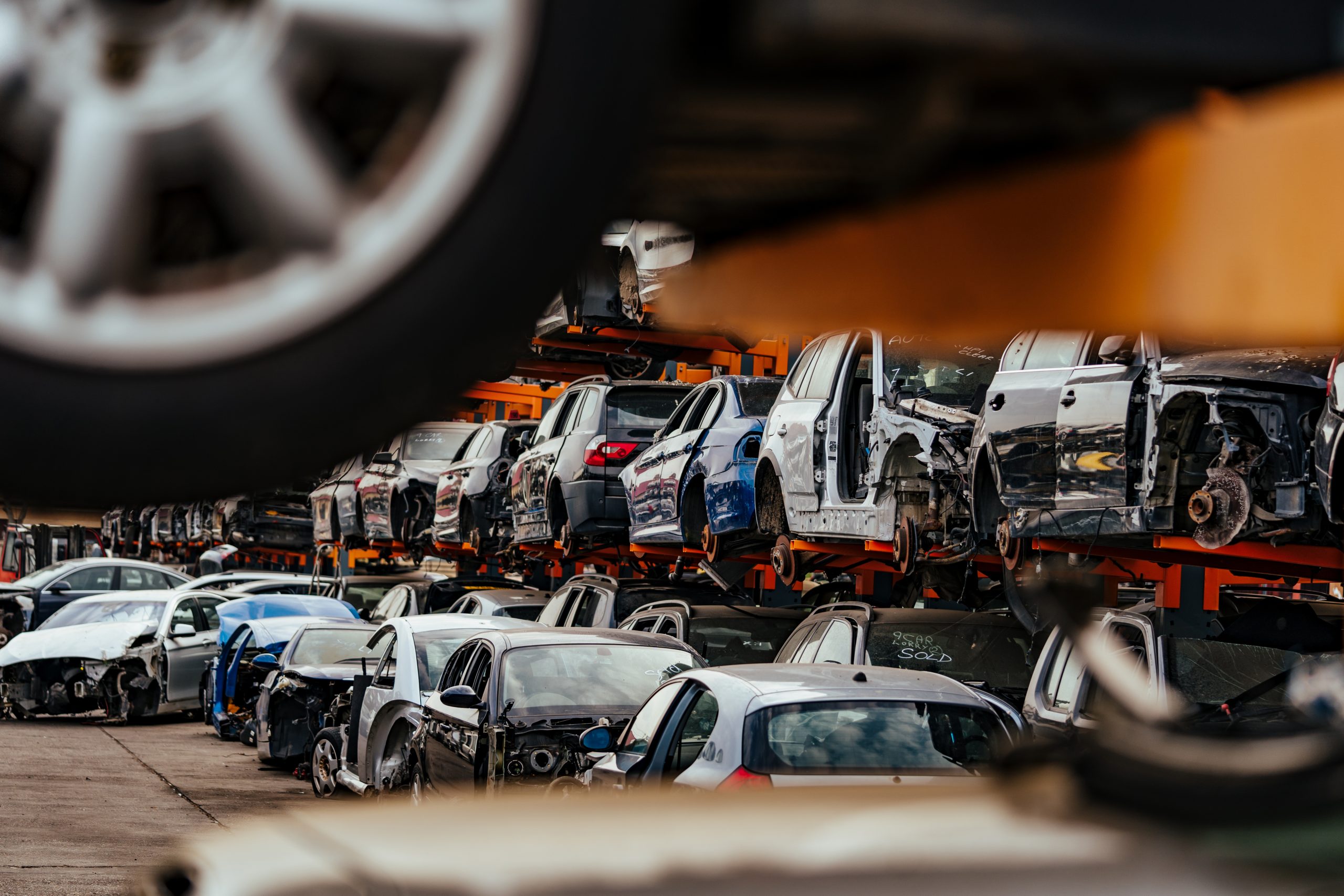
The second panel, “Powering Europe’s industrial base with high-quality recycled metals,” focused on the strategic role of recycled metals for Europe’s autonomy and industrial resilience. Emmanuel Katrakis (Galloo) pointed to overcapacity in steel recycling and urged better value-chain dialogue and MRC aligned with quality needs — noting that targets should not be fixed in legislation but always grounded in technical feasibility. Kamila Slupek (European Metals Association – Eurometaux) stressed the importance of product design, easy intra-EU waste shipments, and connecting waste legislation with the CRMA and CEA. She noted that MRC can be a double-edged sword in sectors like batteries. Umberto Eynard (JRC, European Commission) detailed the JRC’s feasibility study on MRC for end-of-life vehicles (ELVs), due Q4 2026, emphasising a holistic, data-driven, value-chain approach. Fynn Hauschke (EEB) reminded that Europe cannot “recycle its way out” of rising demand and highlighted the need for higher ELV and WEEE collection, harmonised treatment standards, and measures to decrease overall material use.
In closing, the event made one thing clear: Europe’s circular transition can only succeed through genuine cross-industry collaboration. Recycling Europe was proud to convene all voices, allies and constructive critics alike, to openly discuss the measures needed for a resilient, competitive and circular industrial base.
We warmly thank all speakers for their insights and the audience for their thoughtful questions and engagement.
You can find photos from the event here.